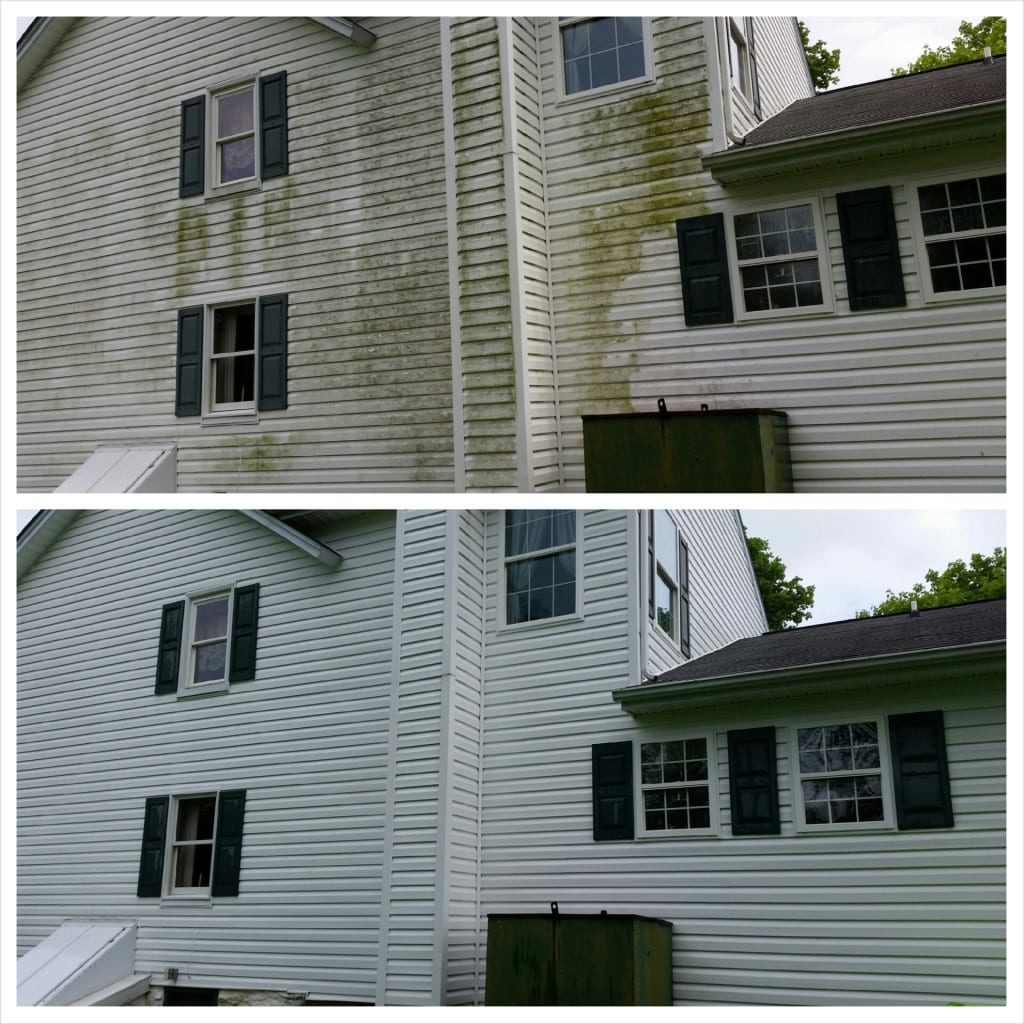
Most services cost $150–$500, so simple maintenance helps extend results, protect surfaces, and reduce how often you need professional cleaning. Keeping your home clean between pressure washes in 2026 requires routine rinsing, early stain removal, and basic exterior upkeep.
A professional pressure wash can instantly improve how your home looks, but that fresh, clean finish doesn’t last forever on its own. Dust, algae, pollen, and everyday grime slowly return, especially in areas with humidity or frequent weather changes. This guide breaks down exactly how to maintain your home between pressure washes, what to clean, how often to do it, and how to avoid common mistakes that lead to faster buildup.
Why Maintenance Between Pressure Washes Matters
Most homeowners assume pressure washing is a one-time fix. In reality, it resets your home’s exterior, but ongoing exposure to dirt and moisture starts affecting surfaces again almost immediately. If you ignore maintenance, buildup returns faster and becomes harder to remove. That’s when you end up needing another service sooner than expected.
Regular upkeep helps you:
- Keep your home looking clean longer
- Prevent mold, algae, and staining
- Avoid permanent surface damage
- Reduce how often you need professional washing
In regions like Maryland, where moisture and seasonal debris are common, this becomes even more important. A little effort in between cleanings saves both time and money.
Simple Weekly Habits That Actually Work
You don’t need a full cleaning routine every week. What matters is staying consistent with small actions that stop dirt from settling in. Walk around your home once a week and look for problem spots. These are usually areas exposed to shade, water runoff, or heavy foot traffic. Use a garden hose to rinse off visible dust or mud. This alone can delay buildup significantly. Pay attention to corners, lower siding panels, and areas near landscaping where dirt splashes up. Over time, this quick habit makes a noticeable difference in how long your home stays clean.
Window Cleaning After Pressure Washing
Pressure washing removes grime around windows, but it doesn’t fully clean the glass. If your windows still look dull, it can take away from the overall clean appearance of your home. Start with a simple solution of water and a few drops of dish soap. Wipe using a microfiber cloth to avoid scratches. Then rinse thoroughly with a hose. For a cleaner finish, use a mix of water and vinegar with a squeegee. This helps remove streaks and leaves the glass clear. Avoid cleaning windows during direct sunlight. It dries the solution too quickly and often leaves marks behind.
Roof Care: What Most Homeowners Miss
Your roof collects debris faster than most parts of your home, but it’s also one of the most ignored areas after a pressure wash. Leaves, dirt, and organic material can settle back quickly. If left unchecked, this leads to moisture buildup and eventually algae growth. Use a broom or leaf blower to remove loose debris when needed. Also, check for early signs of black streaks, which usually indicate algae. If you notice damaged or missing shingles, it’s better to handle those quickly. Roof cleaning and repairs should be done carefully, and if you’re unsure, it’s safer to call professionals rather than risk damage.
Landscaping Can Make or Break Your Home’s Clean Look
Even if your siding is clean, overgrown landscaping can make your entire property look untidy again. Plants trap moisture and push dirt against your home. This creates the perfect condition for mold and staining. Trim bushes and trees regularly, especially those touching your siding. Remove dead branches and keep lawn edges neat. In areas like Baltimore County and Cecil County, seasonal growth can quickly undo the clean look if not maintained properly. Keeping your yard in check is one of the easiest ways to extend the results of pressure washing.
Spot Cleaning: The Secret to Long-Lasting Results
No matter how clean your home is, stains will happen. The difference between a well-maintained home and a neglected one is how quickly those stains are handled. If you clean stains early, they usually come off with minimal effort. If you wait too long, they settle in and require heavy cleaning again.
Here’s a simple breakdown of what works best:
- Siding: Use mild soap and water or a diluted vinegar solution
- Brick: Stick to soap and warm water, avoid acidic cleaners
- Concrete: Use baking soda or detergent for oil stains
- Wood surfaces: Clean gently with soap and water
Always rinse thoroughly after cleaning. Leaving residue behind can cause new buildup.
Siding Maintenance Without Causing Damage
Siding is one of the easiest parts of your home to maintain, but it’s also easy to damage if cleaned incorrectly. For light dirt, a garden hose is usually enough. If needed, use a sponge with mild soap to clean specific spots. Avoid using strong chemicals unless absolutely necessary. Even common solutions like vinegar should be diluted properly. Also, be mindful of nearby plants. Cover them if you’re using any cleaning solution to avoid damage.
Driveways, Concrete, and Oil Stains
Driveways and concrete areas are often the first to look dirty again. Oil leaks, tire marks, and spills can quickly stand out on a freshly cleaned surface. The key is to treat stains immediately. Start by absorbing excess oil using materials like rags, kitty litter, or baking soda. Let it sit for at least 15 minutes. Then scrub using a stiff brush and rinse thoroughly. If needed, repeat the process using dish soap or laundry detergent. Quick action makes a big difference. The longer a stain sits, the harder it becomes to remove.
Cleaning Wood Decks and Porches Safely
Wood surfaces require a softer approach compared to concrete or siding. Harsh cleaning can damage the surface or remove protective finishes. Start by sweeping away loose dirt and debris. Then use a mop with warm soapy water to clean the surface. Light scrubbing helps remove stains without causing damage. Once done, rinse thoroughly and allow it to dry naturally. Doing this occasionally keeps your deck or porch looking clean without needing another full pressure wash.
Common Mistakes That Ruin Pressure Washing Results
Many homeowners unintentionally shorten the life of their cleaning results by making a few simple mistakes. These usually come from either neglect or using the wrong cleaning methods.
Here are the most common ones to avoid:
- Ignoring small stains until they become permanent
- Letting plants grow against siding
- Using harsh chemicals on delicate surfaces
- Skipping regular rinsing of high-dirt areas
- Waiting too long before the next professional cleaning
Fixing these habits can easily extend the life of your pressure washing results by several months.
How Often Should You Schedule Pressure Washing?
There isn’t a one-size-fits-all answer, but most homes benefit from pressure washing once per year. However, this can vary depending on your environment. Homes in humid or shaded areas often need cleaning more frequently. In places like New Castle County and Delaware County, buildup tends to return faster due to moisture and environmental conditions. If you notice visible dirt, algae, or fading surfaces despite maintenance, it’s usually time to schedule another cleaning.
Why Choosing the Right Service Matters
Maintaining your home between cleanings becomes much easier when the initial job is done properly. Poor pressure washing can damage surfaces or leave behind residue that attracts dirt faster. That’s why working with a trusted company like Maryland Pro Wash makes a difference. They use proper techniques like soft washing for delicate surfaces and adjust pressure levels based on the material. This helps protect your home while delivering longer-lasting results. Their services cover residential and commercial properties across Maryland, Delaware, and Pennsylvania, helping homeowners maintain clean, damage-free exteriors year-round.
Get Pressure Washing Services for Your Home
Keep your siding, concrete, and outdoor surfaces looking clean with professional help. Book a service now and make exterior upkeep easier.
Get a QuoteFAQs